YOUR QUIZ RESULTS
Flight Response
Your brain and body may tend toward a flight response when stress shows up.
It learned that staying busy is one way to stay safe when stress shows up.
WHY THIS MAKES SENSE
Most people think flight means...
You're bad at relaxing. You have too much energy. You just need to meditate.
Does this sound familiar?
You may have noticed yourself thinking...
- "I just need to get a few more things done."
- "I'll relax when this is finished."
- "I can't sit with this right now."
- "I feel like I should be doing something."
What if it's actually your brain and body's way of saying, "Keeping busy feels safer than slowing down right now"?
WHAT THIS CAN LOOK LIKE
You might recognize this in yourself if...
✔ You finally have free time, but immediately start another task.
✔ You clean when you're anxious.
✔ You overfill your calendar because staying busy feels easier than slowing down.
✔ You feel guilty when you're resting.
✔ You find yourself pacing during phone calls or shaking your leg without realizing it.
✔ Even when you're sitting still, your mind is already thinking about what's next.
From the outside, this can look like productivity or being "good at getting things done."
Underneath it, your brain and body may simply be doing what they know best: keeping you moving to help you feel safe.
THE STRENGTH BEHIND THIS RESPONSE
There's a reason your brain learned this.
Your flight response is resourceful, productive, and quick to respond.
It helps you think ahead, anticipate problems, get things done, and keep moving through stressful situations.
In fact, you've probably been praised for these qualities. People may admire how productive you are or even tell you they're jealous of how much you accomplish.
But instead of feeling complimented, you may feel strangely alone - because they see everything you're getting done, but they don't see how exhausting it feels to always be moving.
At some point, staying busy, moving, or focusing on what came next helped you navigate difficult situations.
Your brain remembered it because it worked.
WHAT'S REALLY GOING ON
The cost of relying on it long-term
Over time, this pattern can leave you feeling exhausted but strangely unable to rest.
Maybe you finally get an evening with nothing on your calendar. You've been looking forward to slowing down all week.
But within minutes, you notice the laundry that needs folding.
Then you remember an email you forgot to answer.
While you're doing that, you decide you might as well clean the kitchen.
Two hours later, you've gotten a lot done...
...but you never actually rested.
It's not because you're bad at relaxing.
When your brain and body have learned that staying in motion helps you stay safe, slowing down can actually feel surprisingly uncomfortable.
So you keep moving...
even when what you really need is a chance to recover.
What your brain and body may actually be trying to accomplish
They're trying to create safety by keeping you moving.
Doing something can feel easier than sitting with uncertainty, discomfort, or emotions your brain isn't quite ready to process.
Your busyness may be the most noticeable part of the response, but underneath it is a system trying to help you stay one step ahead of whatever it believes might happen next.
⚒️ TRY THIS WHEN YOU NOTICE YOURSELF CONSTANTLY MOVING
Purposeful Movement
Instead of immediately forcing yourself to sit still, give your brain and body the movement they're already asking for, but do it intentionally.
Shake out your hands and arms for 15 seconds.
Take a brisk walk around the block.
Push your hands firmly into a wall.
Dance to one song in your kitchen.
Then pause.
Notice: Has anything shifted?
You're not trying to force yourself to calm down.
You're experimenting with meeting your brain and body where they already are.

NOW THAT YOU KNOW YOUR PATTERN REALLY GOING ON
Understanding your stress response is the first step.
In my free replay masterclass, 4 Skills You Need to Get Out of Survival Mode, I'll help you understand why your brain responds this way, the four skills that support lasting change, and one simple brain-based drill you can start practicing today.
WATCH THE REPLAY
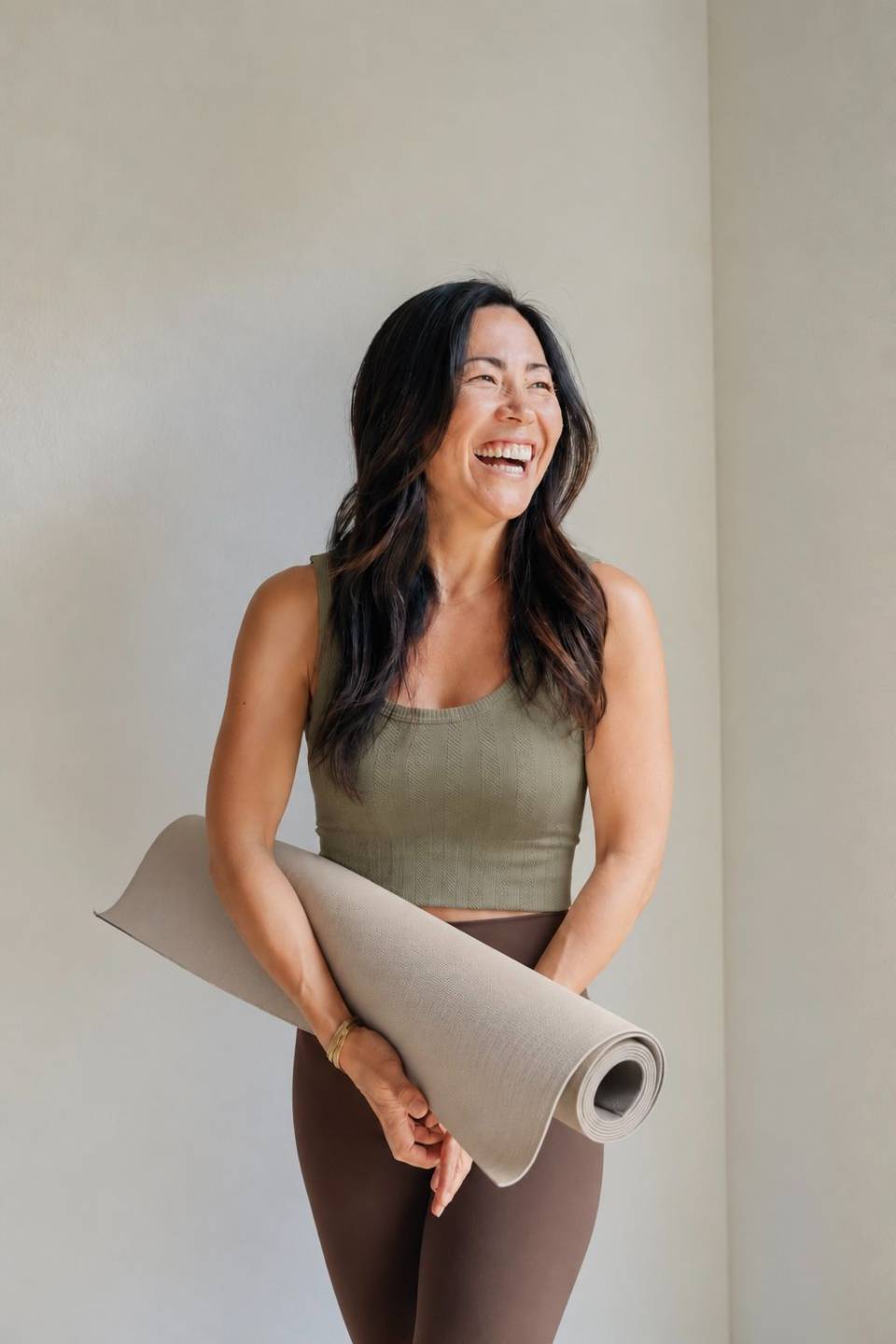
Meet Alyssa
Coach, Dog Mama, Friend
For over 15+ years, I’ve helped clients move through anxiety, pain, fatigue, and brain fog, guiding them back to a body that feels safe, capable, and regulated.
You are the expert of your body.
My job is to help you trust it, listen to it, and understand what your nervous system is really saying.
Through 1:1 coaching and courses, I use a neuroscience-based approach to support true healing, without shame, hustle, or perfectionism.
My mission: to help you feel more ease by working with your nervous system, not against it.
LET'S CONNECT