WHY THIS MAKES SENSE
Most people think fight means...
You're impatient. You're irritable. You need better self-control. You need to calm down.
Does this sound familiar? may have noticed yourself thinking...
- "Why is everyone irritating me today?"
- "I just need people to leave me alone."
- "Why can't they just listen?"
- "I need to fix this now."
If that sounds familiar, you're not alone.
Most people assume irritability means they need more patience or better self-control.
What if it's actually your brain and body's way of saying, "I'm carrying more than I can comfortably handle right now"?
WHAT THIS CAN LOOK LIKE
You might recognize this in yourself if...
✔ Snapping at someone you care about over something surprisingly small.
✔ Replaying a conversation while you're trying to fall asleep.
✔ Feeling your jaw tighten before you even realize you're frustrated.
✔ Wanting to fix the problem immediately so you can relax.
✔ Your heart may beat faster and your voice may become firmer.
✔ You feel defensive when someone questions you.
From the outside, this can look like anger or overreacting. Underneath it, your brain and body may simply be doing what they know best: getting ready to protect you.
THE STRENGTH BEHIND THIS RESPONSE
There's a reason your brain learned this.
Your fight response is protective, action-oriented, and willing to step into difficult situations.
It helps you speak up, advocate for yourself and others, solve problems, and take action when something doesn't feel right.
In fact, you've probably been praised for these qualities, being confident, decisive, or the person who's willing to say what everyone else is thinking.
At some point, this strategy helped you navigate situations that felt difficult or unpredictable.
Your brain remembered it because it worked.

WHAT'S REALLY GOING ON
The cost of relying on it long-term
Over time, this pattern can leave you feeling tense, reactive, and mentally exhausted.
Maybe you come home after a stressful day and notice the dishes still sitting in the sink. Suddenly, you're snapping at your partner about why no one else ever helps around the house.
The dishes aren't really the whole problem. Your brain and body were already carrying the stressful meeting, the traffic on the way home, the three things you still need to get done tonight, and the fact that you barely slept last night.
The dishes were simply the moment your capacity ran out.
And when your brain and body are already in protection mode, small things can start to feel much bigger than they normally would.
What your brain and body may actually be trying to accomplish
They're trying to create safety by taking action.
Solving the problem. Regaining control. Setting a boundary. Making sure you're understood.
Your irritation may be the more noticeable part of the response, but underneath it is a system trying to protect you from something it has decided needs your attention.
⚒️ TRY THIS WHEN YOU NOTIVE YOURSELF GETTING WORKED UP
Fast tempo"PAH" Breathing
The next time you notice yourself feeling activated, try "PAH" breathing.
Take a quick inhale through your nose and then make a “pah” sound as you exhale
Repeat for 5-8 breaths.
Then pause.
Notice: Has anything shifted?
Sometimes, meeting an activated state with a little intentional activation first can feel more accessible than immediately asking yourself to calm down.

NOW THAT YOU KNOW YOUR PATTERN REALLY GOING ON
Understanding your stress response is the first step.
In my free masterclass, 4 Skills You Need to Get Out of Survival Mode, I'll help you understand why your brain responds this way, the four skills that support lasting change, and one simple brain-based drill you can start practicing today.
SAVE YOUR SEAT
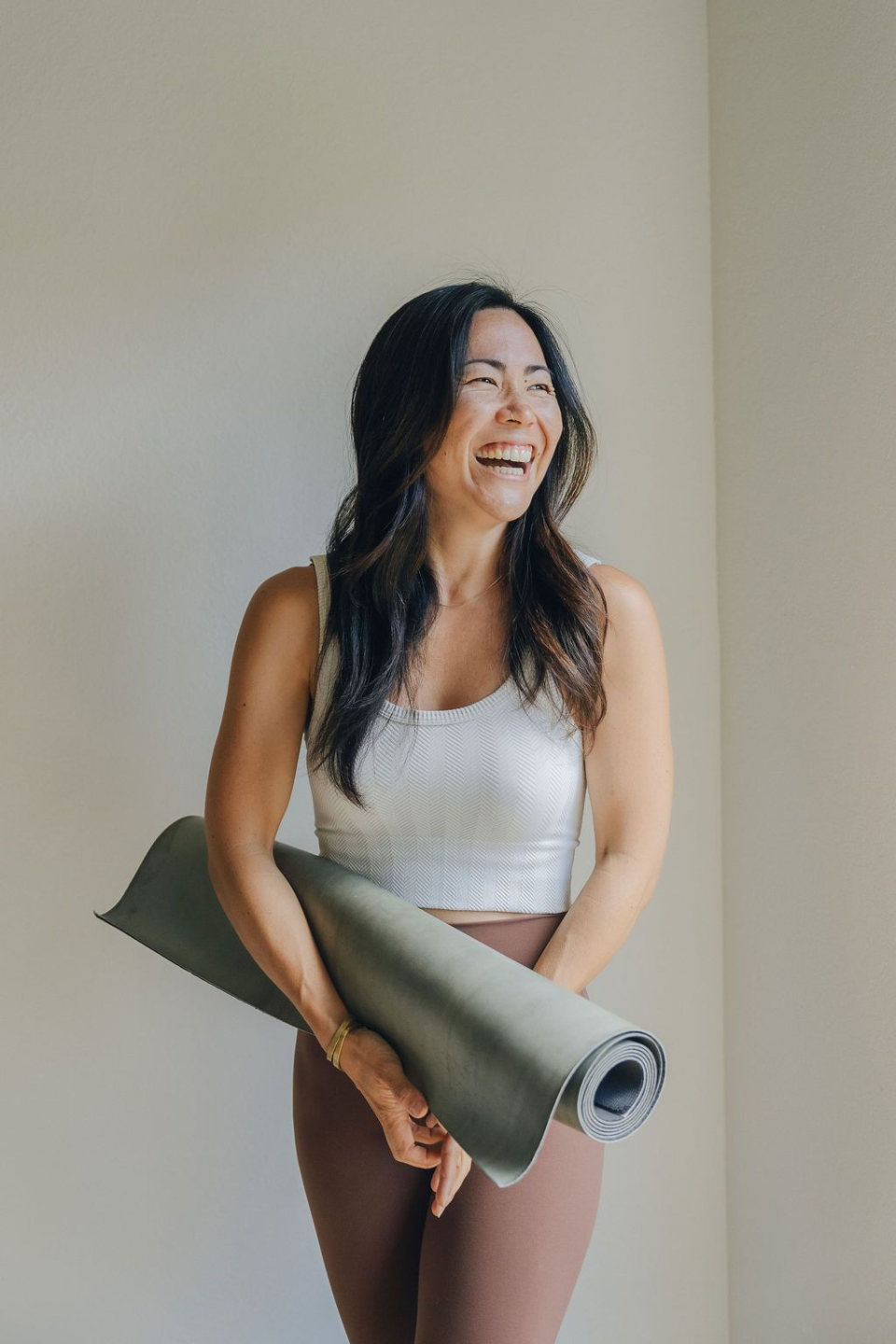
Meet Alyssa
Coach, Dog Mama, Friend
For over 15+ years, I’ve helped clients move through anxiety, pain, fatigue, and brain fog, guiding them back to a body that feels safe, capable, and regulated.
You are the expert of your body.
My job is to help you trust it, listen to it, and understand what your nervous system is really saying.
Through 1:1 coaching and courses, I use a neuroscience-based approach to support true healing, without shame, hustle, or perfectionism.
My mission: to help you feel more ease by working with your nervous system, not against it.
LET'S CONNECT